
Deputy Minister of Health, Dr MJ Phaahla, relates to CDoH in his Budget Vote Speech
Dr MJ Phaahla
21 Jan 2022
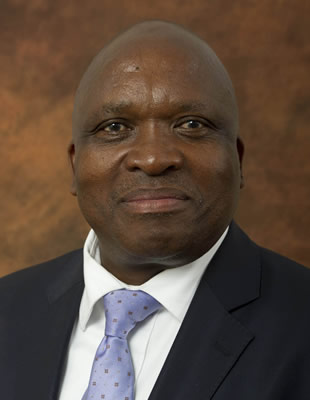
[12 July 2019, Parliament of South Africa]: "Honourable Chairperson, noncommunicable diseases continue to outstrip infectious diseases in South Africa according to STATS -SA. A huge chunk of the deaths are due to diabetes and cardiovascular diseases including strokes. Cancer has also been rising to epidemic levels. These developments can be attributed to urbanisation, commercial determinants of health, risk behaviour such as tobacco use, harmful use of alcohol, unhealthy diets and lack of physical activity. The challenge of NCDs is also global and as a result, in September 2018 a High Level meeting of the UN General Assembly was convened by the Secretary General to focus Heads of States and governments on this matter. Our own President Ramaphosa was a participant and we were there to support him and participate in several parallel sessions and civil society activities. The General Assembly passed a political declaration which amongst others expressed concern at financial and human cost of NCDs on developing countries which was estimated at 7 trilion US dollars over the next 15 years. The assembly reaffirmed the primary role of governments in responding to the challenge of NCDs by developing adequate national multisectoral responses. The leaders committed to "strengthen our commitment, as Heads of State and Government, to provide strategic leadership of prevention and control of NCDs by promoting greater policy coherence and coordination through whole -of- government and health-in-all policies as approaches and engaging stakeholders in an appropriate, coordinated, comprehensive and integrated, bold whole-of-society action and response" Implement affordable and evidence -based interventions. Accelerate implementation of World Health Organisation Framework Convention on Tobacco Control without interference by tobacco industry. Get alcohol industry to contribute towards reducing harmful use of alcohol and take steps to eliminate marketing of alcohol to minors. So these are the commitments our leaders made at the UN in New York on 27th September last year 2018. In this regard there are a number of steps we have taken. 1)New draft legislation on tobacco control was published in May 2018 which advocates a zero- tolerance policy on indoor smoking in public places, including removal of smoking areas in restaurants and also regulating ecigarettes and vaping. 2)Introduced regulations to restrict salt permitted in 13 categories of foodstuffs through which most of us consume salt. 3)Tax on sugar -sweetened beverages was implemented from 1 April 2018. 4)DTI is leading, supported by DoH in enhancing visible health warning labels on alcoholic beverages, increasing age restriction on purchase of alcohol from 18 to 21 years and regulating alcohol advertising. The DoH is in the process of designing front package labelling which will alert purchasers and users to the amount of sugar, salt and fats in products in easy to read signs. Following the call by President Ramaphosa in 2018 SONA to respond to the cancer pandemic, a number of steps have been taken. 1) National Cancer campaign was launched in October 2018 in KZN, 2)A number of Linear Accelerators were purchased including for Charlotte Maxeke and Universitas Academic Hospitals and are being installed for radiotherapy treatment of cancer. 3)We continue to roll out the HPV vaccine in two doses to grade 4, 9 year old girls to prevent cervical cancer. Mental Health services remain severely under resourced but there is a focussed approach to increase capacity.In this year's budget we have allocated funds to contract private sector psychiatrists and psychologists to reduce the backlogs in both forensic assessments and referred patients from primary health care facilities. We are also retraining medical officers and nurses in district hospitals to better manage patients with psychiatric conditions."
Do you have questions or comments on this noticeboard item? Post them here and join the discussion.