
NCD Alliance
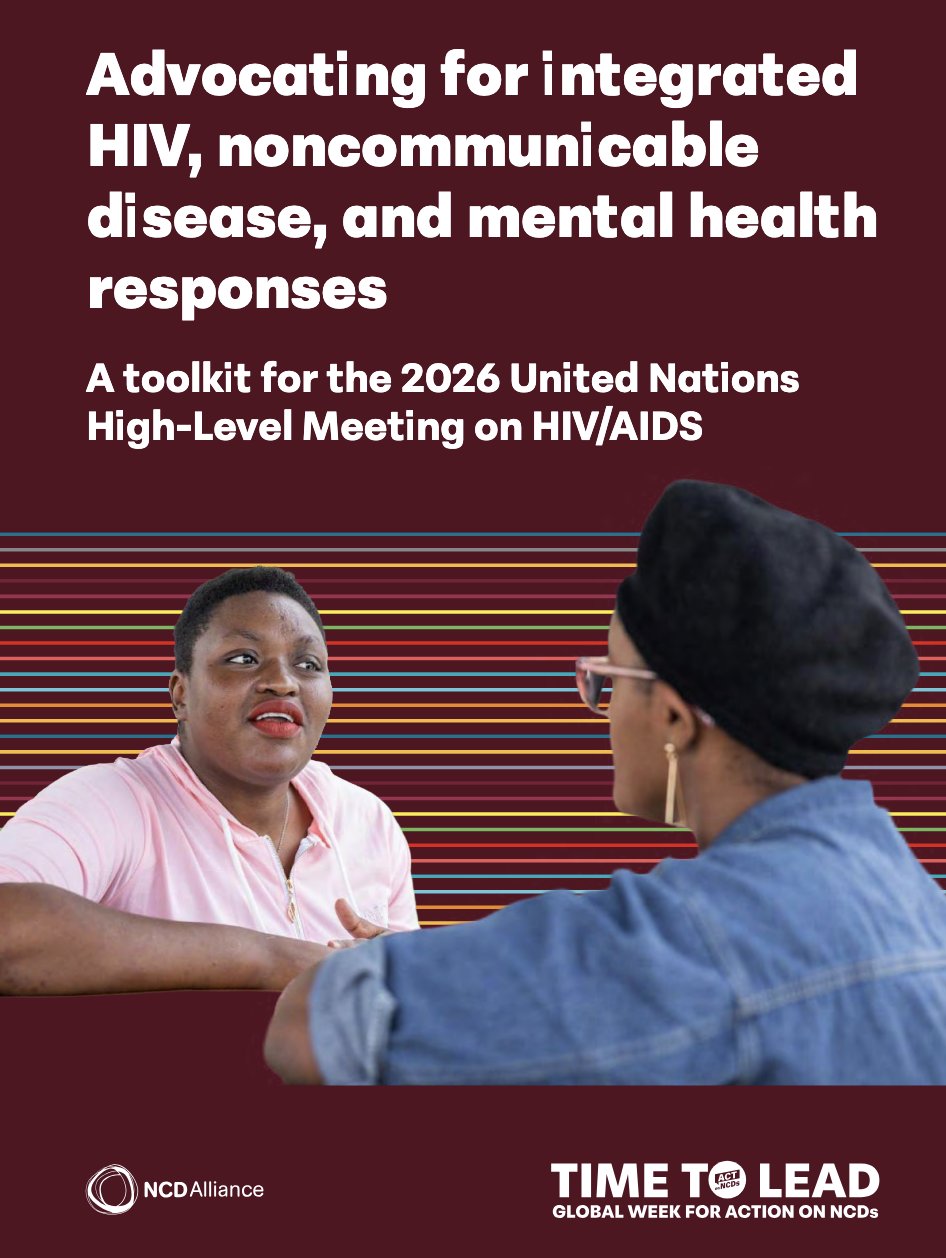
Advocating for integrated HIV, noncommunicable disease, and mental health responses: A toolkit for the 2026 UN High-Level Meeting on HIV/AIDS
Publication
13 Mar 2026
01 May 2024
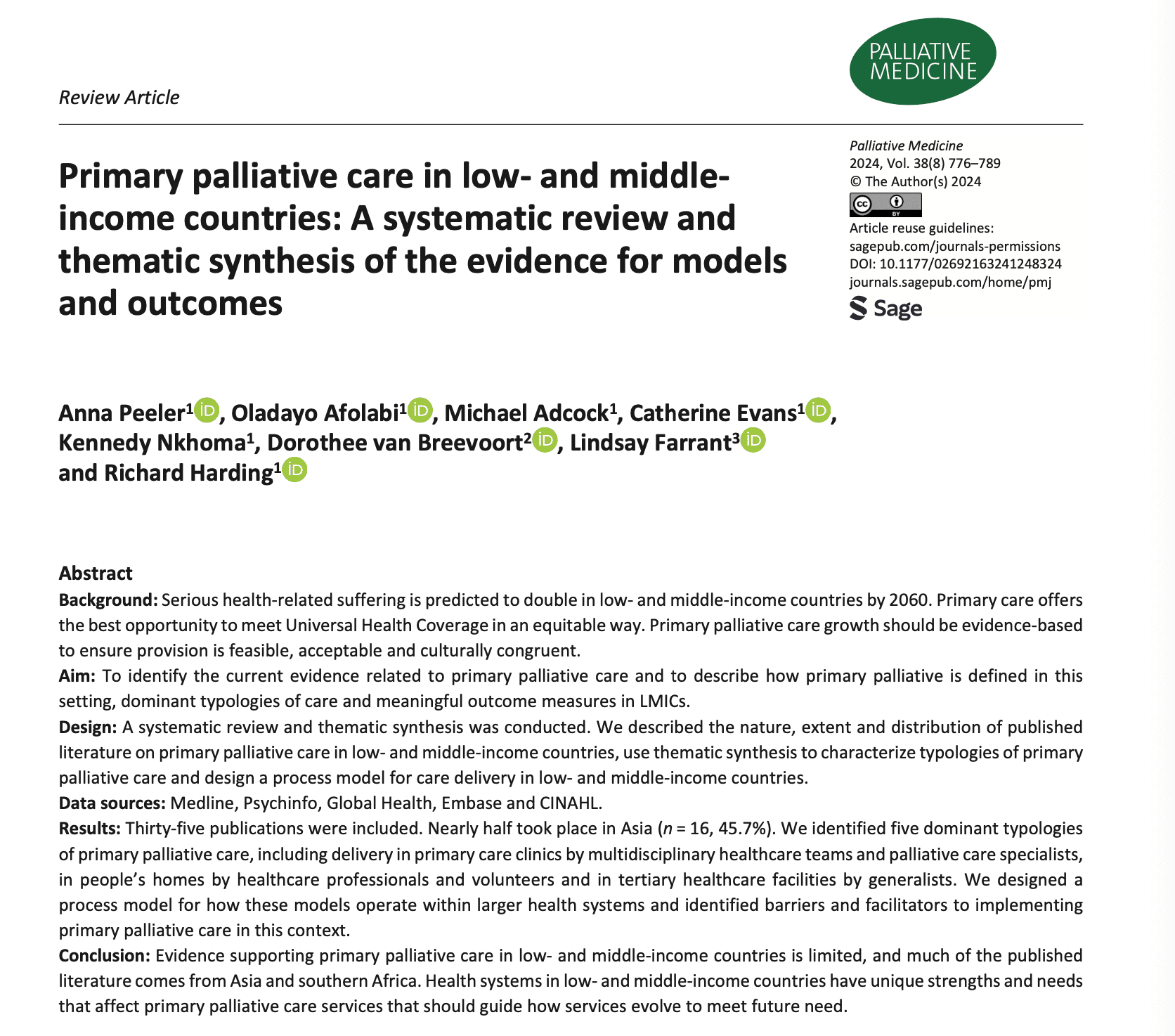
What is already known about this topic?
•• Much of the primary palliative care literature centres around health systems in high-income countries and falls short of
considering the unique strengths and challenges of health systems in LMICs.
What does this paper add?
•• Primary palliative care literature focussed on LMICs is limited, particularly in the central and South Americas and parts of Africa. Published literature likely does reflect all primary palliative care services that are delivered in LMICs.
Implications for practice, theory or policy
•• Future research should focus on how to sustainably staff and fund primary palliative care services, how to effectively train and mentor staff to deliver these services to meet the growing need, how to best conduct holistic assessment and
achieve goal-concordant care LMICs and how to enable patients with life limiting illness to remain at home.
Publication
13 Mar 2026
Report
05 Feb 2026
Guide
31 Dec 2025
Declaration
16 Dec 2025