
World Health Organization
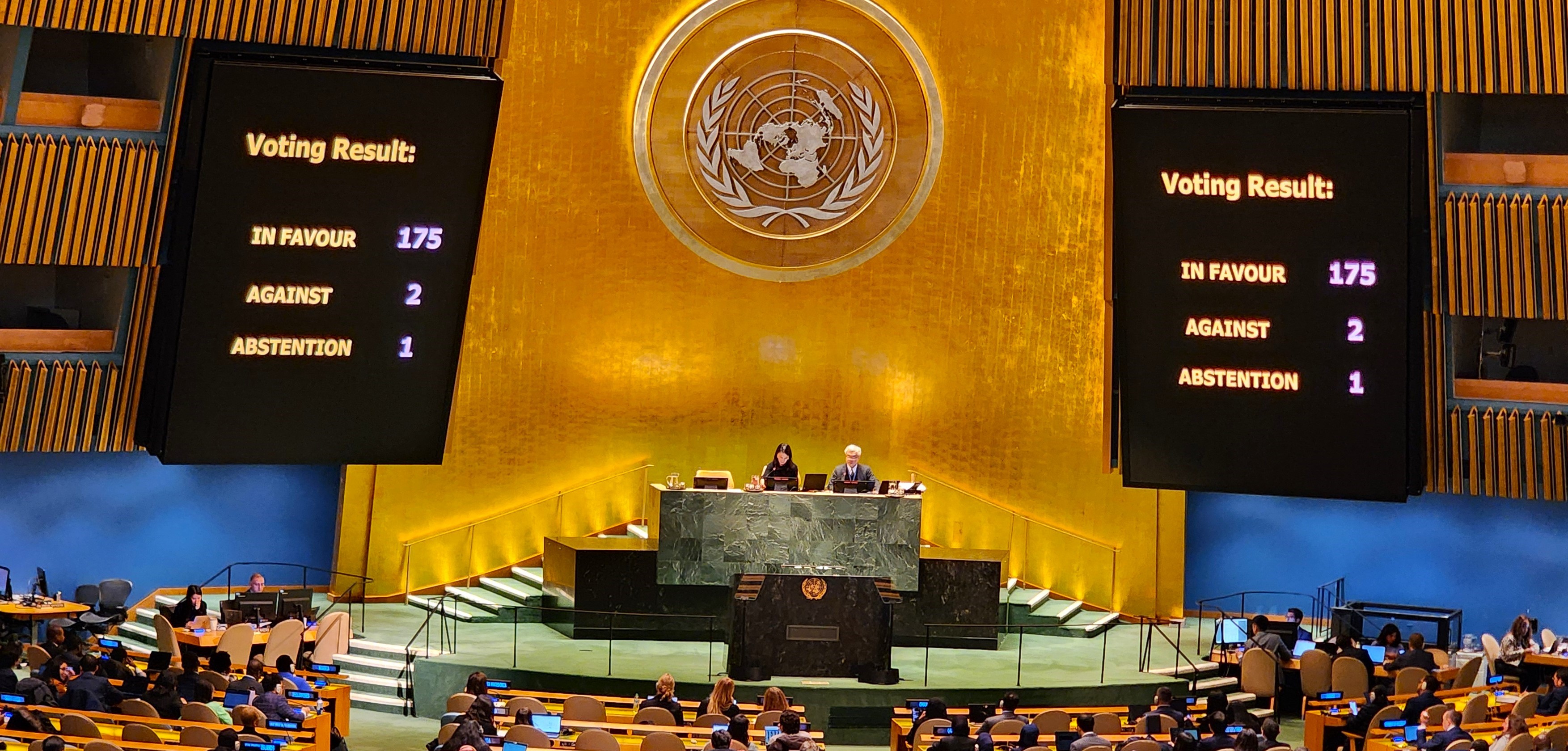
HLM4 Political Declaration on NCDs and Mental Health adopted
Meaningful Engagement of People with Lived Experiences
16 Dec 2025
World Health Organization | 17 Dec 2025
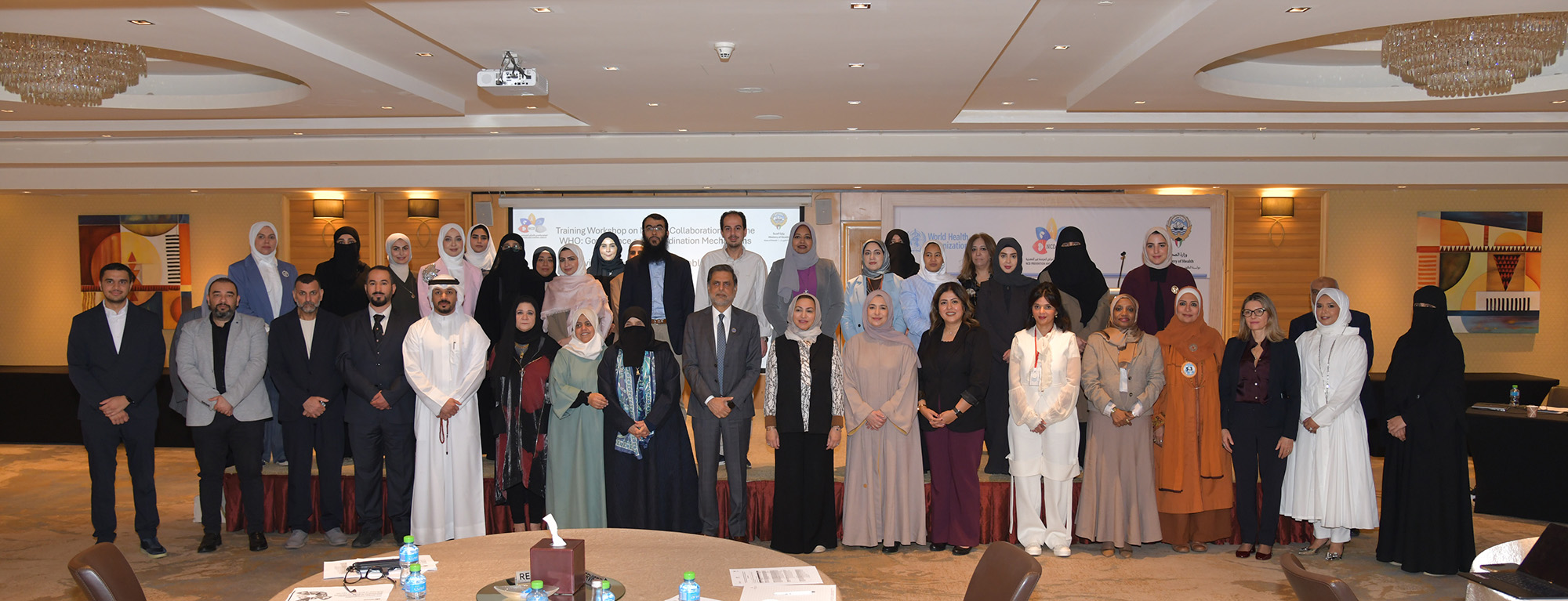
In Kuwait, a two-day, national workshop brought together 33 participants, including directors and programme leads from departments across different technical areas of the Ministry of Health. With support from the World Health Organization (WHO), the workshop strengthened institutional capacity for the operationalization of multisectoral governance for the prevention and control of noncommunicable diseases (NCDs).
Kuwait has taken important steps to strengthen the national response to NCDs. To better address the interrelated social, economic, environmental, and commercial determinants of NCDs, the country has a dedicated directorate for the prevention and control of NCDs and a national multisectoral governance mechanism. As part of this renewed mandate, Kuwait is working to engage government sectors beyond health, other national institutions, and international partners to strengthen more coherent and sustained policies on NCD prevention and control.
At the Ministry of Health’s request, the WHO, through its Global Coordination Mechanism on NCDs (GCM/NCDs), the Regional Office for the Eastern Mediterranean, and WHO office in Kuwait, provided technical support to facilitate the transition from formal mandates to practical implementation.
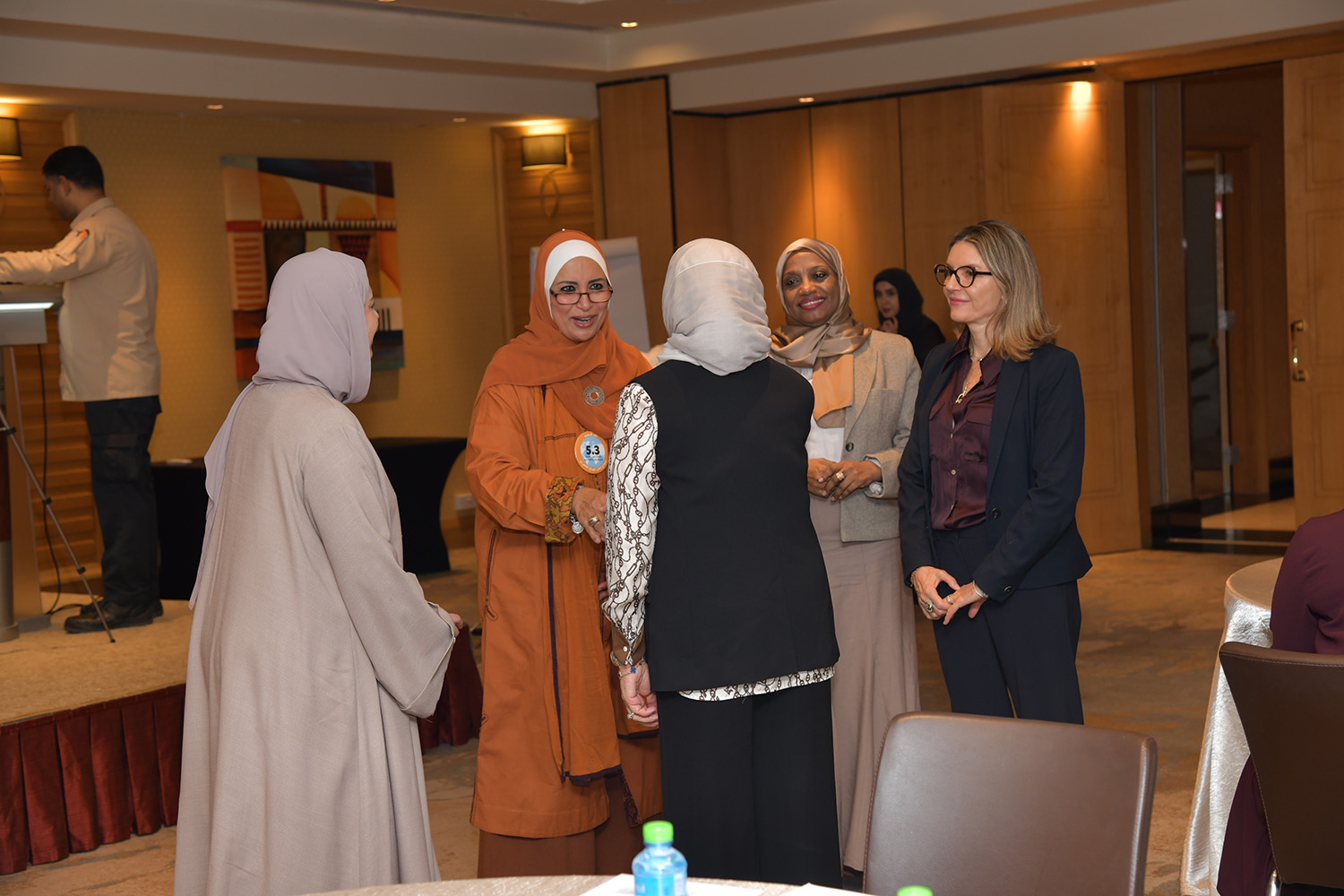
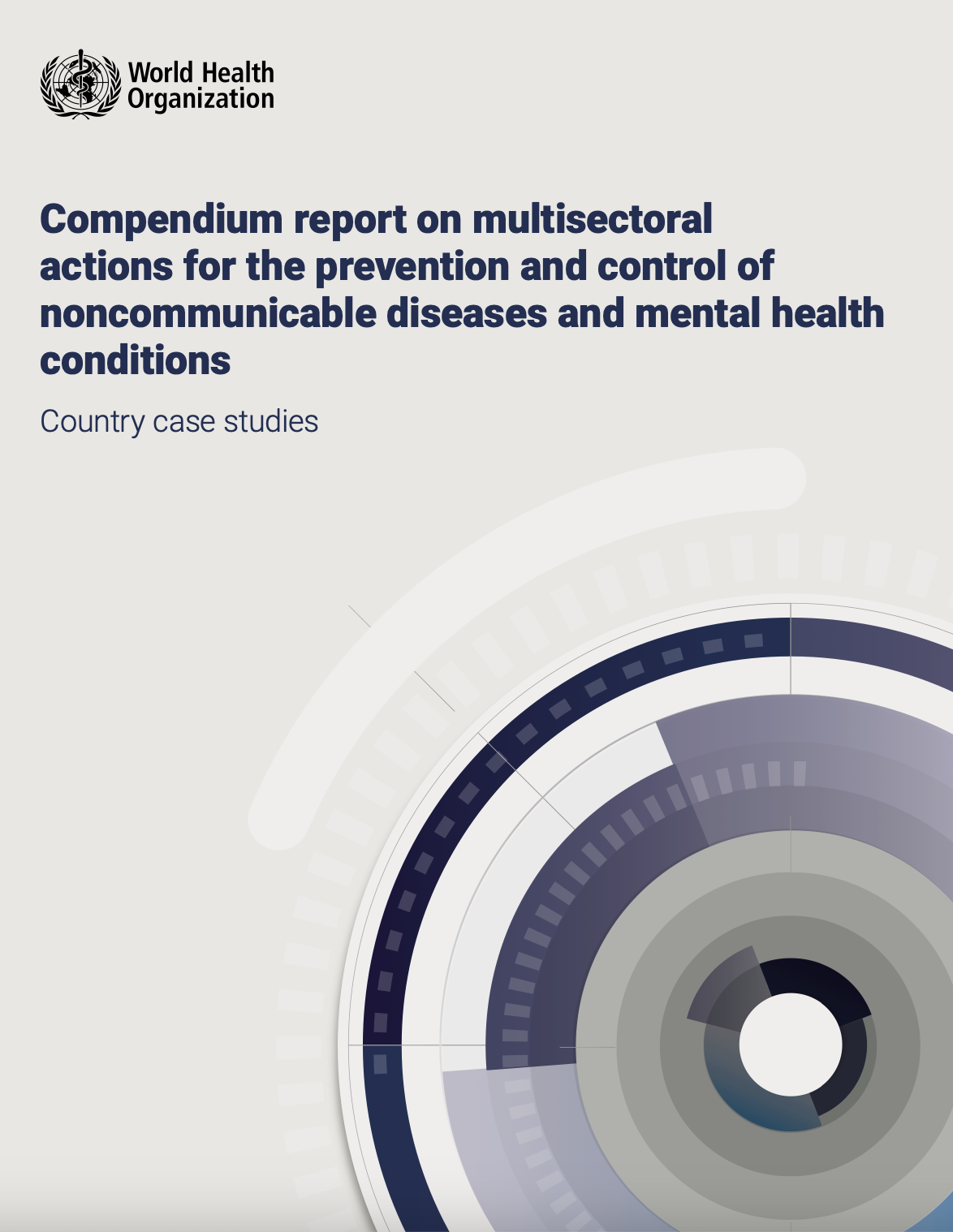
The two-day workshop focused on operationalizing multisectoral governance for NCDs in line with national priorities, and featured selected WHO technical tools, frameworks and country case studies, including examples from the WHO Compendium Report on Multisectoral Action. Sessions progressed from conceptual foundations to practical application, using the four pillars of multisectoral action (governance & accountability; leadership at all levels; ways of working, and resources and capabilities) to illustrate how multisectoral governance can be operationalized in practice.
Drawing on country examples from Brazil, Canada, Finland, Mozambique, and the United Kingdom, and learning from regional experiences in Oman and Jordan, participants discussed implementation priorities for NCDs, including tobacco control in line with WHO Framework Convention on Tobacco Control and WHO’s NCD best-buys, and Kuwait’s draft national obesity action plan. The need to amplify community voices and strengthen policy coherence across sectors, including through fiscal measures, education, and urban planning emerged as a future milestone for Kuwait’s ambitions in advancing multisectoral governance of NCDs.
Interactive sessions focused on identifying major challenges in operationalizing the work of the national multisectoral coordination mechanism. Participants discussed ways to clearly define roles and responsibilities across ministries and agencies, dedicate resources, and establish reporting mechanisms that support implementation, monitoring, and accountability.
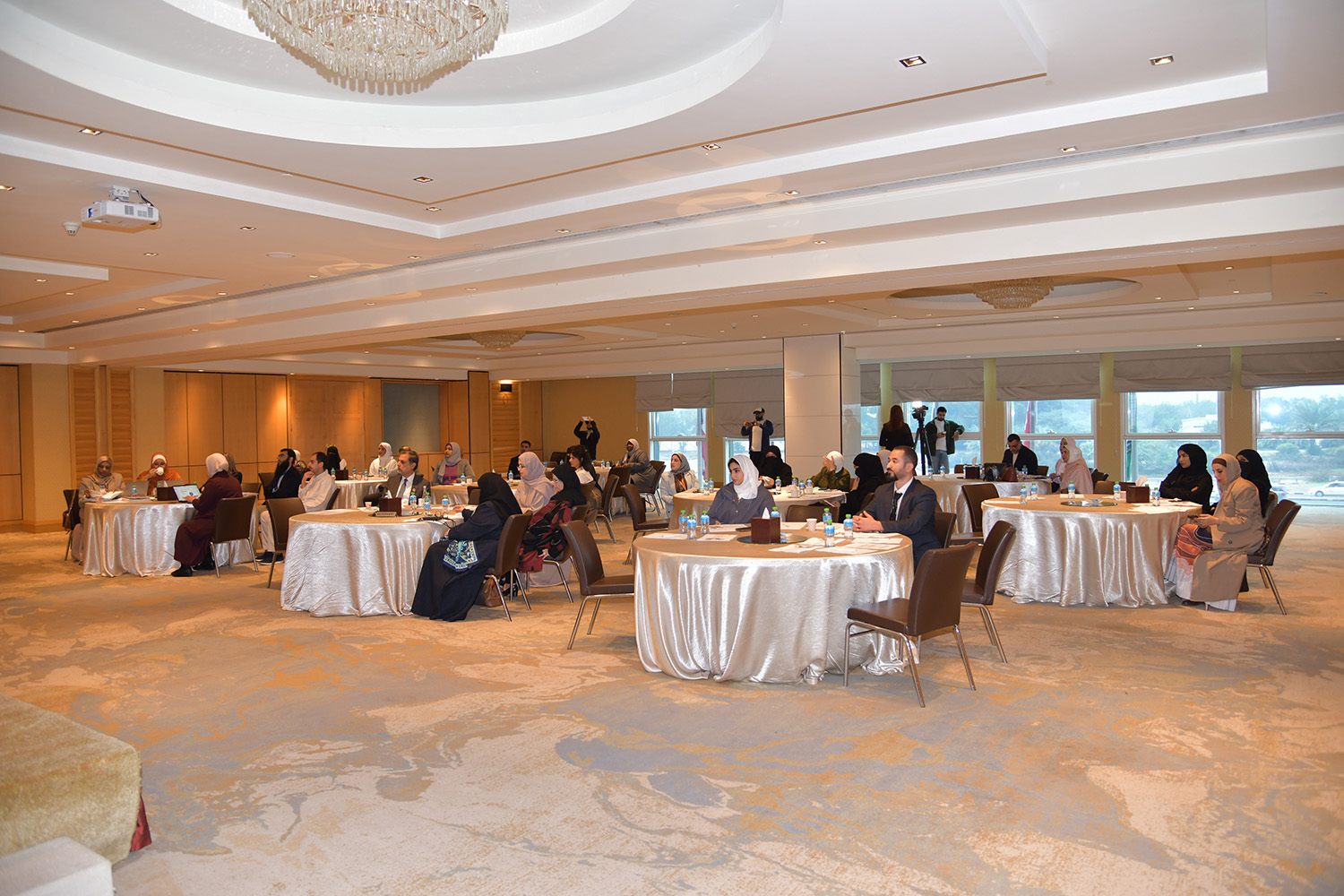
By the end of the workshop, participants shared a better understanding of how to operationalize multisectoral governance across Kuwait’s NCD response, including which sectors to engage and what practical steps to prioritize.
Building on participants’ engagement and positive feedback, the next implementation phase will now focus on developing a follow-up roadmap outlining the priority NCD policies, mapping existing programmes and stakeholders, clarifying institutional roles, responsibilities and deliverables, and identifying early opportunities for action, particularly in strengthening tobacco control, obesity and physical activity.
This workshop was made possible through the collaborative efforts of the NCD Directorate in the Ministry of Health of Kuwait, the World Health Organization (WHO) Global Coordination Mechanism on Noncommunicable Diseases (GCM/NCDs), the WHO Regional Office for the Eastern Mediterranean, and the WHO Country Office in Kuwait. The workshop was financially supported by the Government of Kuwait.
Meaningful Engagement of People with Lived Experiences
16 Dec 2025
Multisectoral Action
18 Sep 2025
Meaningful Engagement of People with Lived Experiences
28 May 2025
Meaningful Engagement of People with Lived Experiences
27 May 2025

Multisectoral Action
15 Apr 2025
Multisectoral Action
28 Oct 2024