
World Diabetes Foundation
Challenging the food culture of the Marshall Islands
Civil Society Working Group
26 May 2026
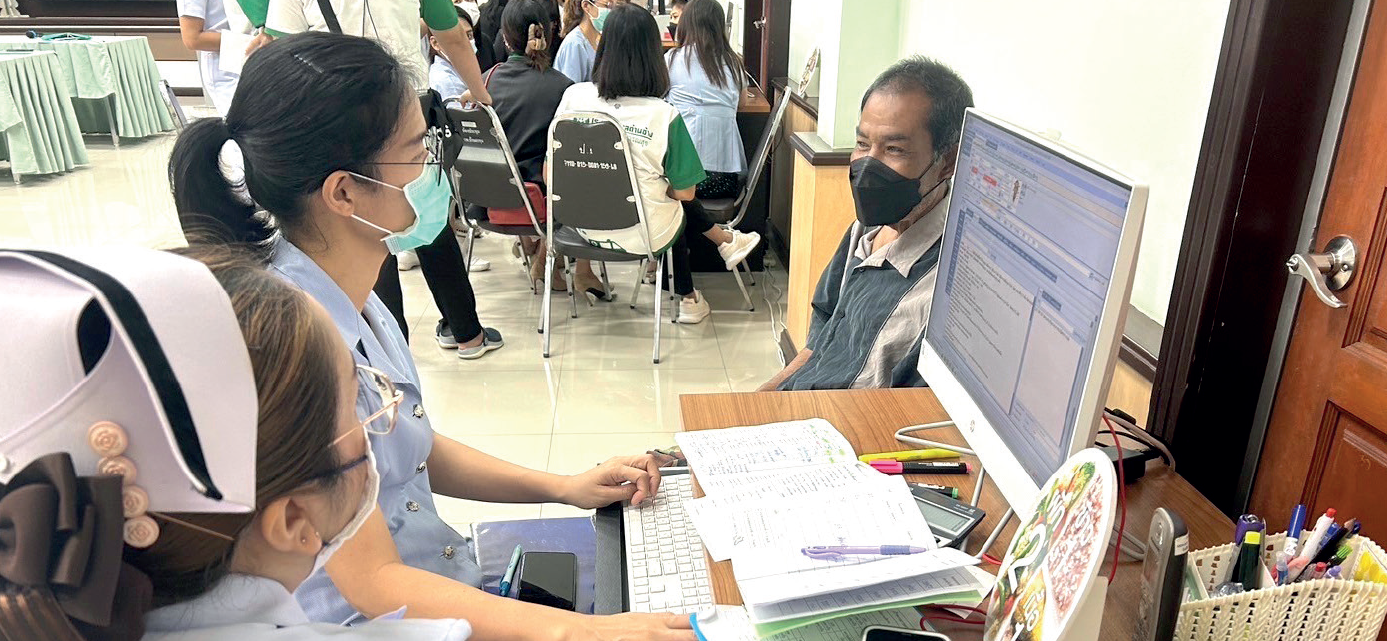
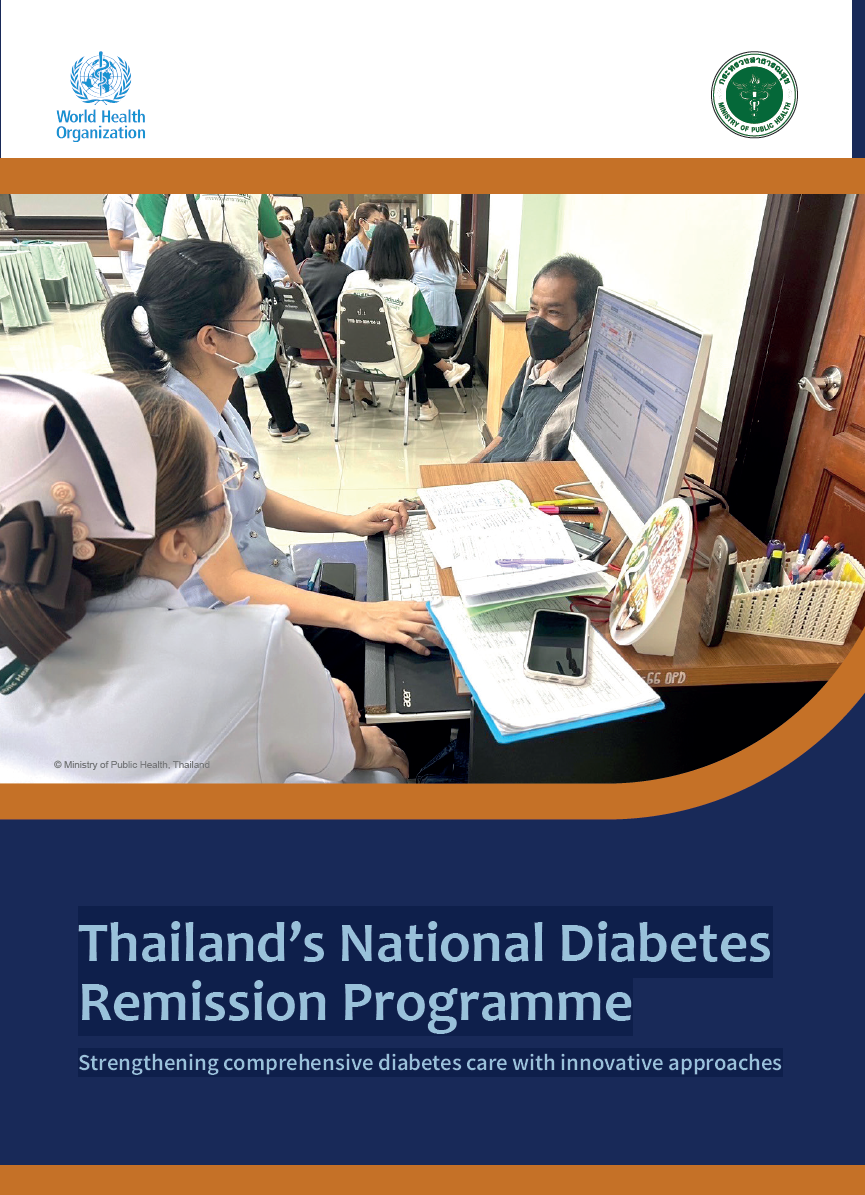
Ministry of Public Health Thailand, WHO Regional Office for South-East Asia | 26 Feb 2026
Thailand is facing a rising burden of type 2 diabetes (T2D), with prevalence increasing from 7.1% in 2004 to nearly 11% in 2025. Public health partners in Thailand worked together to address this challenge through new diabetes remission programmes that complement and reinforce comprehensive diabetes care nationwide.
In Thailand, diabetes remission is characterized as achieving and maintaining a glycated hemoglobin A1c (HbA1c) level, an indicator of average blood glucose over the previous two to three months, below 6.5% (48 mmol/mol) for at least three months without glucose-lowering medicines. Rather than replacing standard T2D management, remission programmes in Thailand complement existing care by improving metabolic outcomes and encouraging sustained healthy lifestyles in newly diagnosed T2D within five-six years.
Building on successful pilots at Bangrakam Hospital, Ban Ta Khun Hospital, Kranuan Hospital and Phimai District Health Office, Thailand has introduced national diabetes remission guidelines (2023) and operational guidance (2024) to support nationwide scale-up. Early results indicate that a substantial number of individuals with T2D achieve remission, while many others experience improved blood sugar control and reduced reliance on medication. By embedding remission into hospital, primary care and community-led services, Thailand is broadening the scope of diabetes care and strengthening its national response

Civil Society Working Group
26 May 2026
NCD Lab
01 Apr 2026

Health Literacy Development
01 Apr 2026
Meaningful Engagement of People with Lived Experiences
30 Mar 2026

09 Mar 2026

Health Literacy Development
05 Mar 2026